Best Akai MPC in 2026: Which MPC Should You Buy? (Every Model Compared)
In one year, Akai rebuilt its whole MPC range. Five new standalone models, from a $399 sampler you can carry in a backpack to a $2,899 studio flagship. Here is which one you should actually buy, from a producer’s point of view.
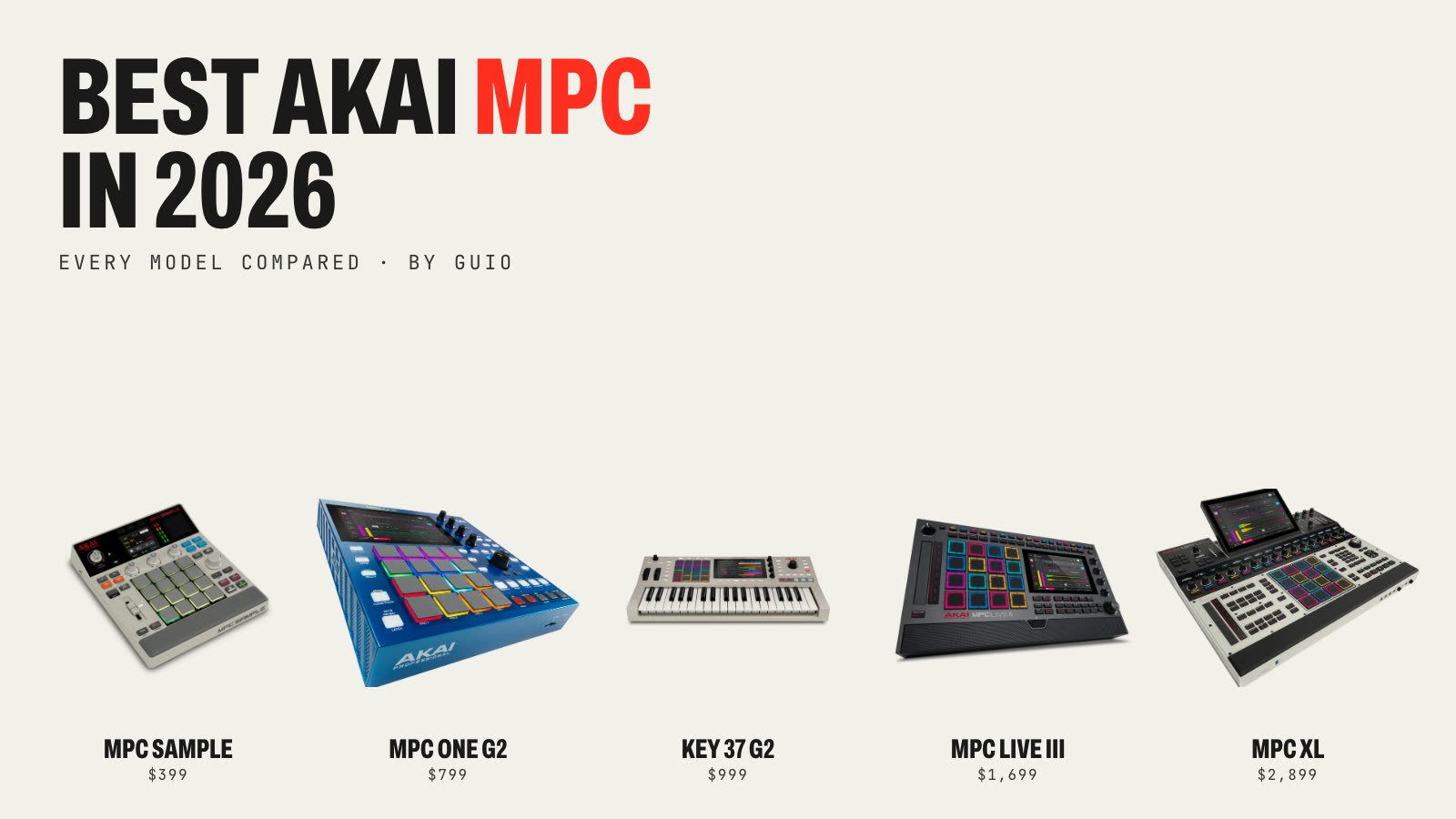
Between October 2025 and June 2026, Akai released the MPC Live III, the flagship MPC XL, the pocket-sized MPC Sample, and the second generation of the MPC One G2 and MPC Key 37 G2. At the same time, classics like the MPC One+, Live II, X SE and Key 61 left the main lineup.
That means most “best MPC” guides you will find are already out of date. This one covers every current model, what each is really for, and how to choose. We are producers, not a store: no model is “the best” for everyone.
The 2026 MPC lineup compared
All current models run Akai’s MPC3 software and share the same workflow, so your projects can move between them. The differences are power, pads, connections and portability.
| MPC Sample | MPC One G2 | MPC Key 37 G2 | MPC Live III | MPC XL | |
|---|---|---|---|---|---|
| Price (US) | $399 | $799 | $999 | $1,699 | $2,899 |
| Released | March 2026 | June 2026 | June 2026 | Oct 2025 | Jan 2026 |
| Processor | — | 8-core | 8-core | 8-core | 8-core Gen 2 |
| RAM / storage | 2 GB / 8 GB | 4 GB / 64 GB | 4 GB / 64 GB | 8 GB / 128 GB | 16 GB / 256 GB SSD |
| Screen | 2.4" | 7" touch | 7" touch | 7" touch | 10.1" tilting touch |
| Pads | 16, poly aftertouch | 16, velocity + pressure | 16 + 37 keys | 16 MPCe (3D) | 16 MPCe (3D) |
| Plugin / audio tracks | No plugins or audio tracks | 32 / 16 | 32 / 16 | 32 / 16 | 32 / 16 |
| Step sequencer buttons | No | No | No | Yes | Yes |
| Mic preamps / phono | Built-in mic only | No / No | No / No | Yes / Yes | Yes / Yes |
| Outputs | 1 stereo | 2 | 2 | 6 | 8 |
| Battery | Yes (5–6 h) | No | No | Yes (≈3 h) | No |
| MPC Pro Pack | n/a | Optional | Optional | Included | Included |
Prices are US launch prices. In Europe, street prices in late 2026 are around €385 (Sample), €819 (One G2), €969 (Key 37 G2), €1,555 (Live III) and €2,444 (XL).
MPC Sample: best budget and portable MPC
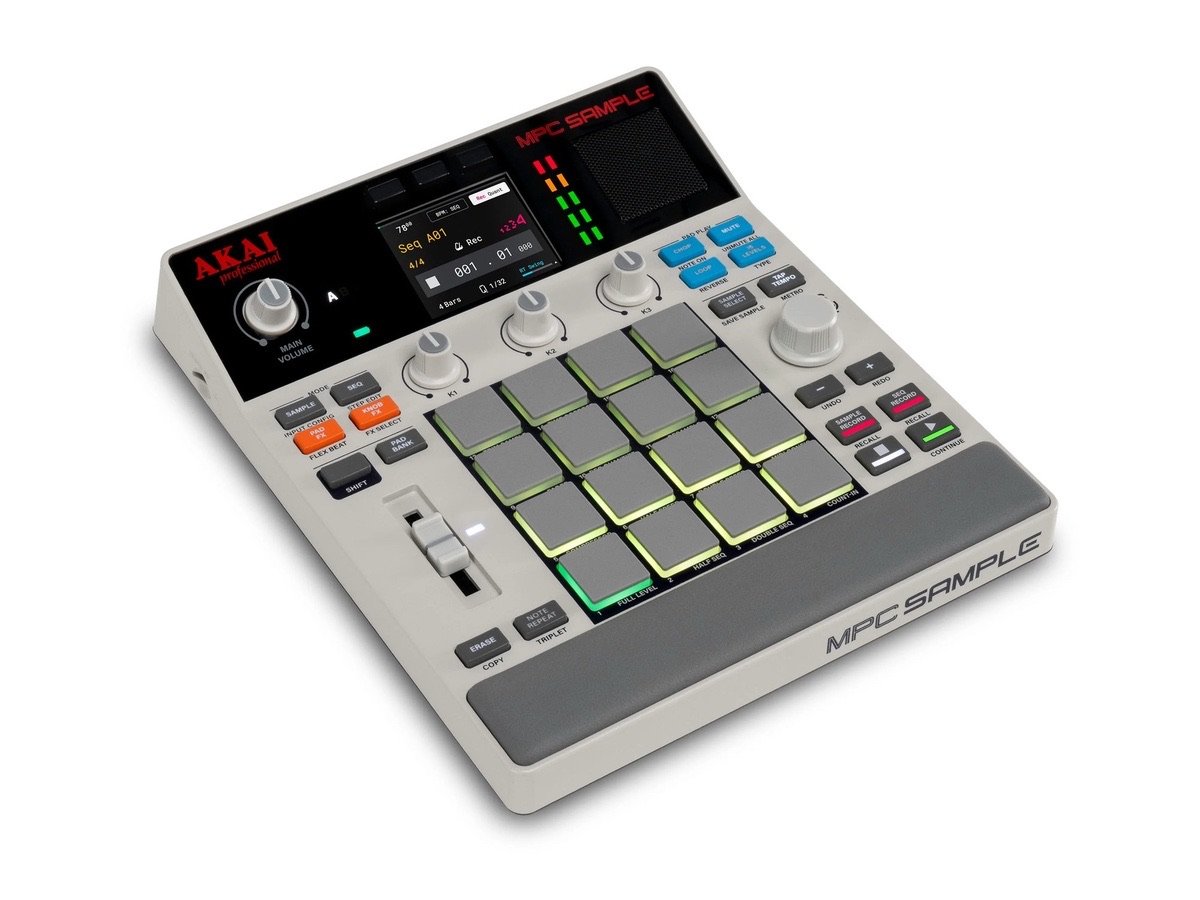
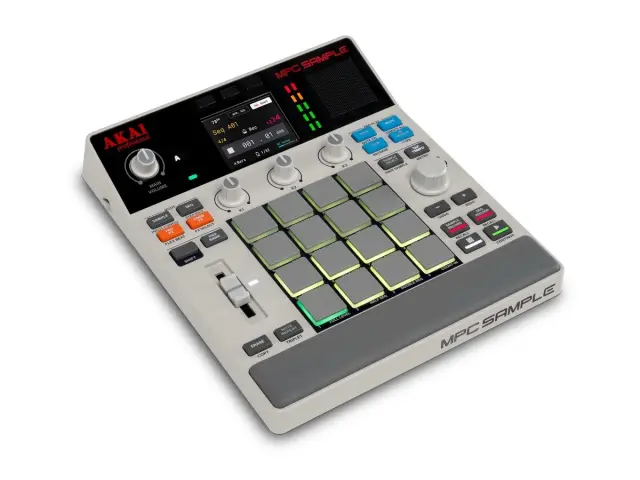
The cheapest standalone MPC ever is a battery-powered sampler the size of a hardback book: 16 pads with polyphonic aftertouch, a built-in mic and speaker, 60 effects, instant sample chopping and around five to six hours of battery. Its projects open on the bigger MPCs, so it works as a sketchpad that feeds your main setup.
The catch: it runs a simplified system, with no plugin instruments, no audio tracks and a 2.4-inch screen. Think SP-404 territory, with the MPC workflow.
Buy it if: you want to chop samples anywhere, you are on a budget, or you need a second MPC for the couch. Read our full MPC Sample review →

MPC One G2: best MPC for most producers
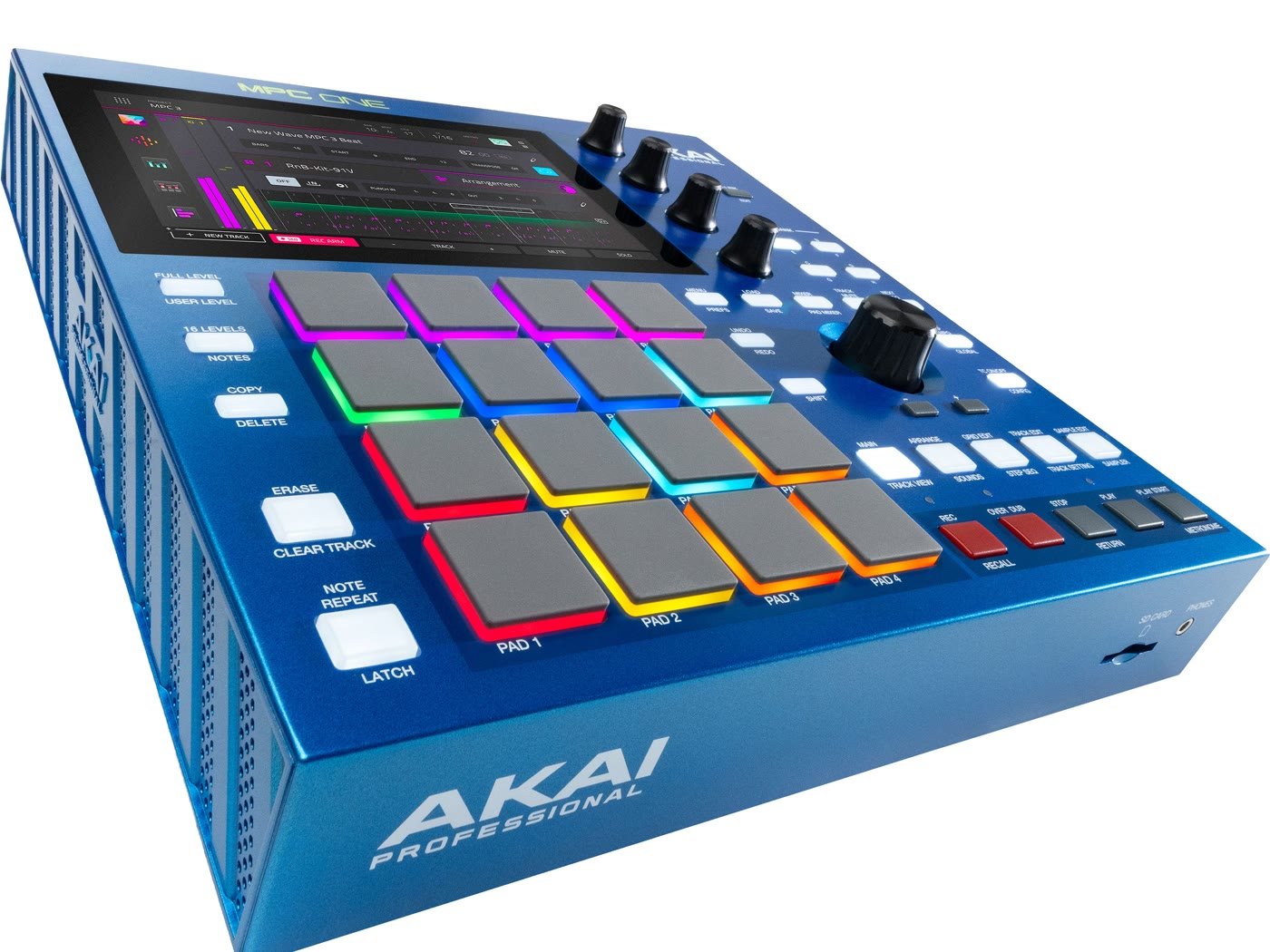
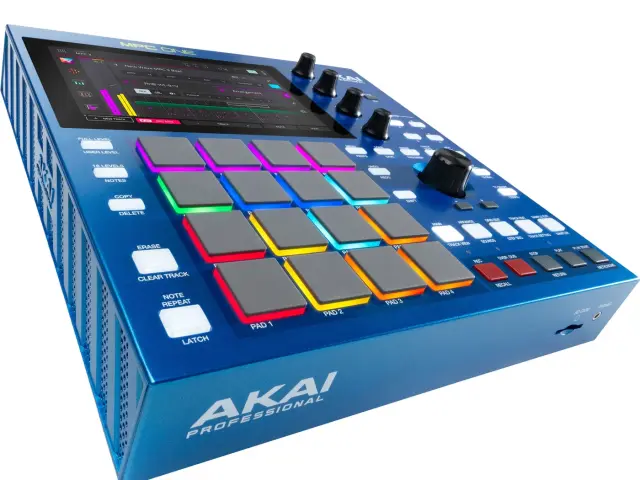
The default pick. The G2 keeps the classic MPC One layout and adds an 8-core processor with four times the power, 4 GB of RAM and 64 GB of storage. It runs the same 32 plugin instruments and 16 audio tracks as the $1,699 Live III, and its new USB-C port works as a 24-in/24-out audio interface.
What you give up: MPCe pads, the step sequencer, mic and phono inputs, battery and speakers. The Pro Pack (Pro Stems, Super Warp and Clip Matrix) is an optional purchase.
Buy it if: you produce at a desk and want a full standalone studio for the best price. Read our full MPC One G2 review →
MPC Key 37 G2: best MPC with keys
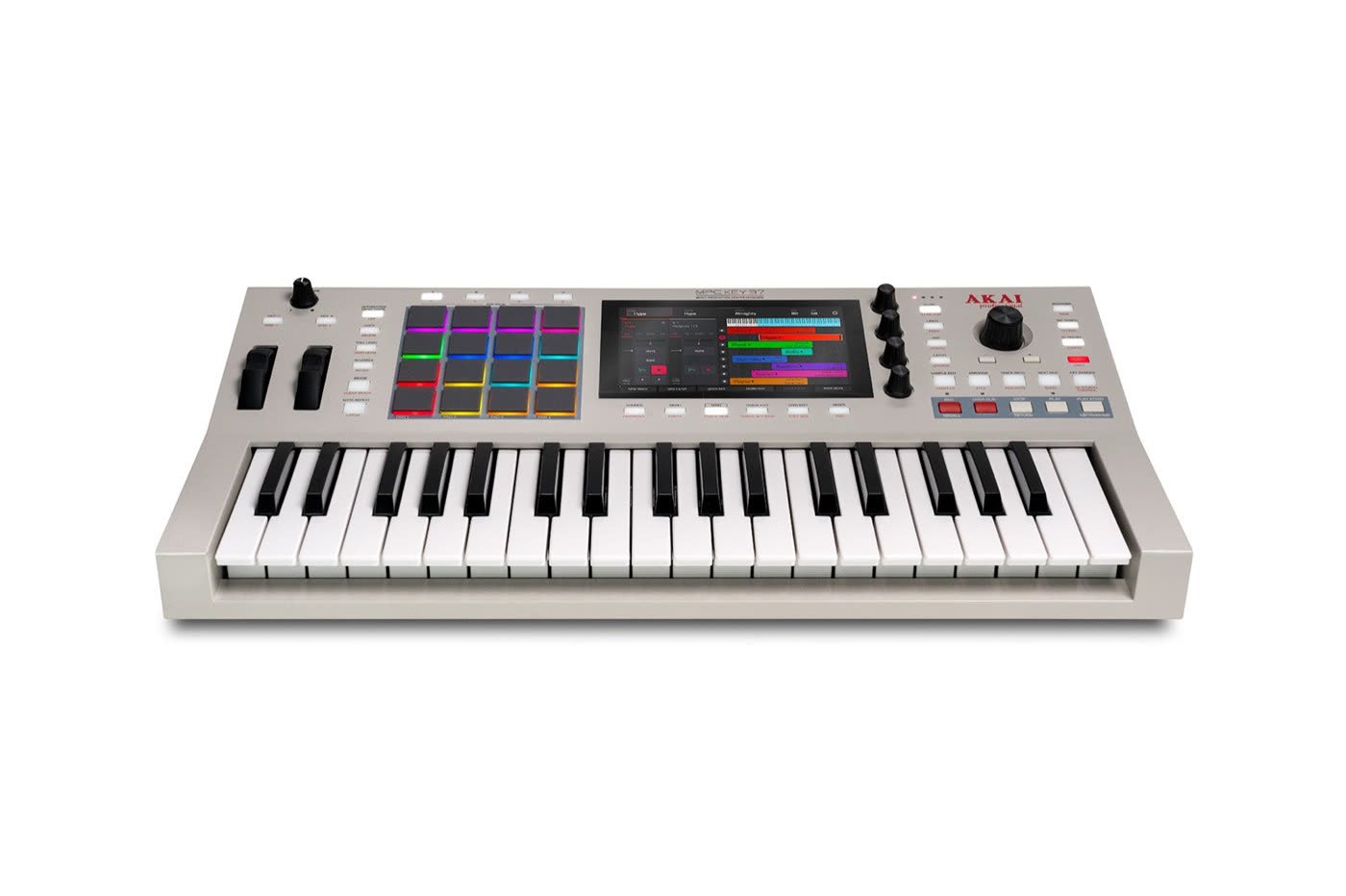
The same G2 engine as the One G2 (8-core, 4 GB of RAM, 64 GB, USB-C audio, 32 plugin and 16 audio tracks) inside a compact keyboard: 37 semi-weighted keys with aftertouch, pitch and mod wheels, 16 pads and a 7-inch screen. It comes with a bigger plugin bundle and the new MPC Oscillators make it a real synth workstation.
On a budget, the original MPC Key 37 (2024, quad-core with 2 GB of RAM) is still sold around €739, but the G2’s extra power is worth it if you stack plugins.
Buy it if: you write chords and melodies on keys more than you chop samples.

MPC Live III: best for performance and vinyl sampling
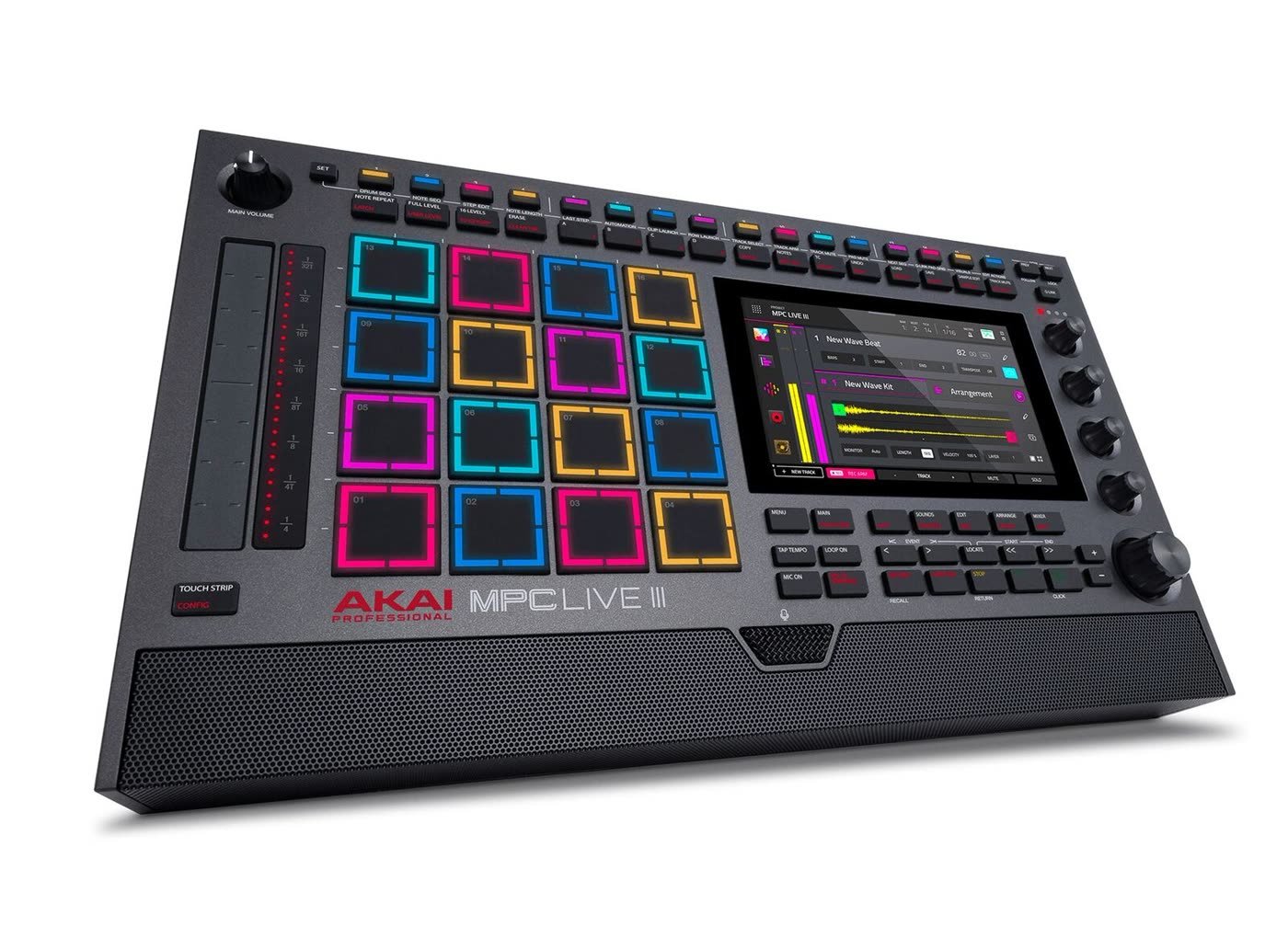
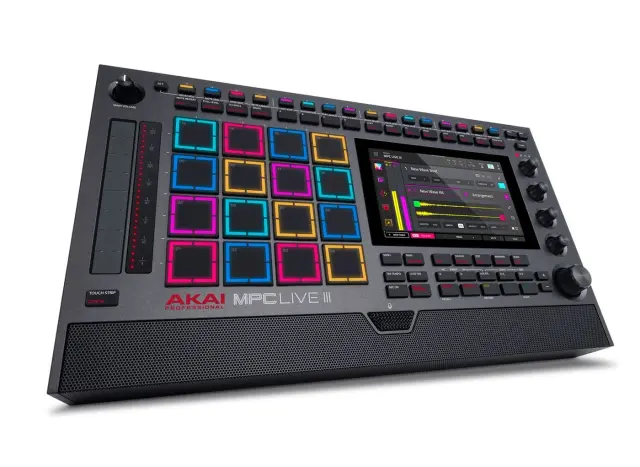
The most complete portable MPC: 8 GB of RAM, 128 GB of storage, the new MPCe pads that sense where your finger lands, 16 step-sequencer buttons, a touch strip, built-in mic, speakers and battery. It also has XLR combo inputs with preamps and phono inputs, so you can sample a turntable directly, plus six outputs and the Pro Pack included.
The battery lasts around three hours in real use, and at 3.9 kg it is portable rather than light. There is also a gray Retro edition with the same specs.
Buy it if: you play live, sample vinyl, record vocals or want MPCe pads. Read our full MPC Live III review →

MPC XL: best studio flagship
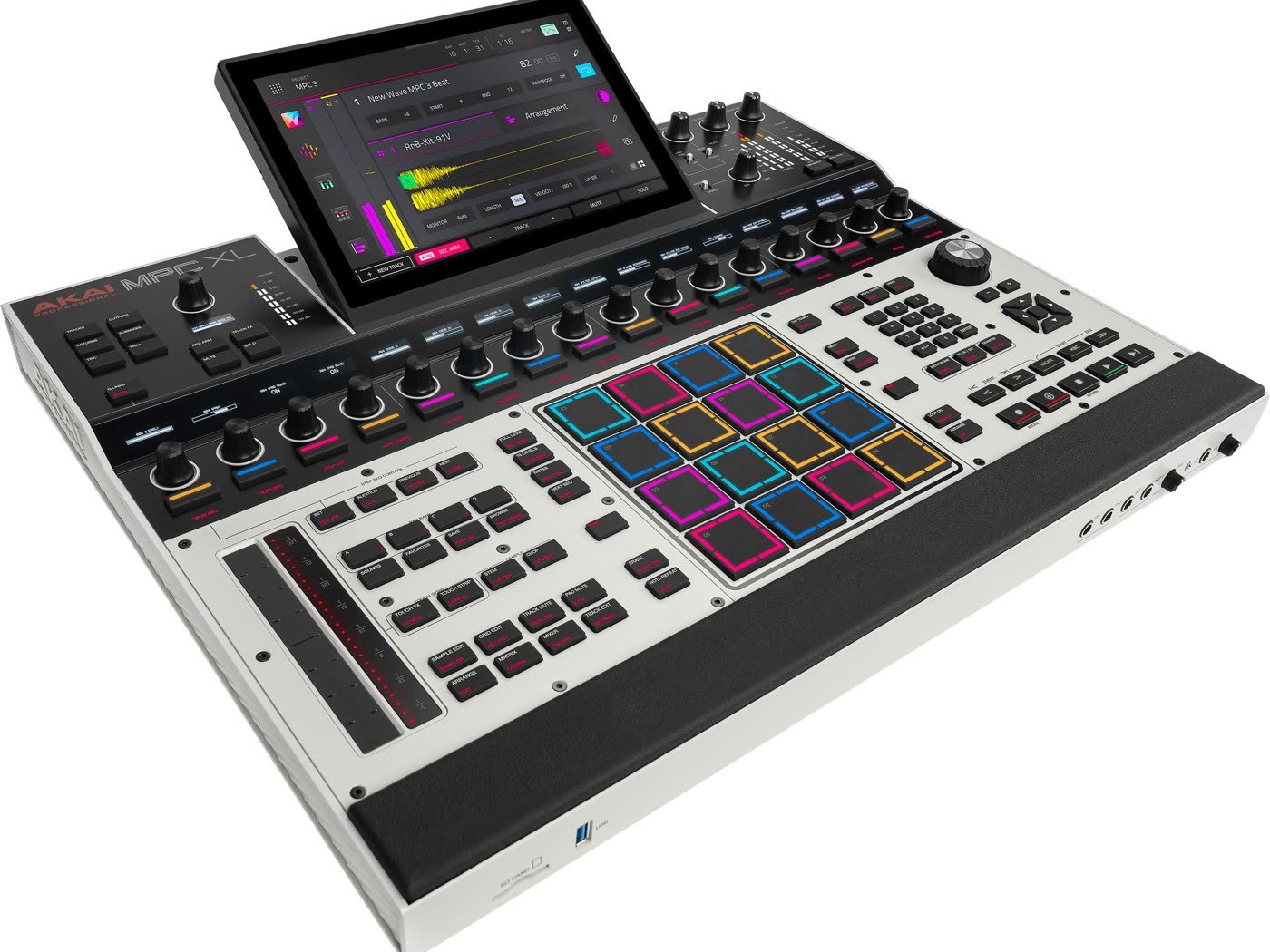
Released at NAMM in January 2026 to replace the MPC X SE, the XL is built to be the center of a studio. It doubles the Live III’s memory to 16 GB of RAM and 256 GB of SSD storage, with a drive bay for more. On top sits a 10.1-inch tilting touchscreen, 16 touch-sensitive Q-Link knobs with OLED displays, MPCe pads, a step sequencer and a touch strip.
The connections are serious: mic preamps, instrument and phono inputs, eight outputs, two MIDI ins and four MIDI outs, 16 CV/Gate outputs for modular gear, a three-port USB hub and two headphone jacks. The Pro Pack and a big plugin bundle are included. Track counts are the same as the Live III; what you pay for is control, connections and space.
Buy it if: your MPC will run a whole studio full of synths, drum machines and outboard gear.

Head to head: the comparisons people search for
MPC One G2 vs MPC Live III
Same 8-core processor, same 32 plugin and 16 audio tracks. The Live III doubles the RAM and storage and adds MPCe pads, step buttons, mic and phono inputs, six outputs, battery, speakers and the Pro Pack. If you produce at home and sample through a mixer or interface, the One G2 saves you $900. If you perform or sample vinyl, the Live III earns its price.
MPC Sample vs MPC One G2
The Sample is a portable sampler; the One G2 is a full production center. If you only chop and sequence samples, the Sample is enough and costs half. If you want plugins, audio tracks, arranging and mixing, go straight to the One G2.
MPC Live III vs MPC XL
Both run the same tracks and have MPCe pads. The XL adds double the memory, a bigger tilting screen, OLED knobs and much more I/O, but it has no battery and is built for a desk. Portable studio: Live III. Fixed studio hub: XL.

Which MPC for your music?
- Boom bap and sample-based beats: MPC Live III if you sample vinyl directly (phono inputs). MPC One G2 if you sample through a mixer or interface. MPC Sample as a portable chop machine.
- Trap and modern hip hop: MPC One G2. The 8-core engine handles heavy plugin sessions and 808s with ease.
- Live sets and DJs: MPC Live III, for the battery, Clip Matrix and MPCe pads.
- Songwriters and synth producers: MPC Key 37 G2.
- Full studios with outboard gear: MPC XL.
- Laptop producers: the MPC Studio controller (around €175) runs the MPC software on your computer.
Should you buy a used MPC?
The MPC One, One+, Live II, X SE and Key 61 have left the main lineup, which makes them interesting second-hand deals. They still run the current MPC software, including MPC 3.9. Our take: a used MPC Live II or One+ at a good price is still a great beat machine for sampling and drums. If you rely on lots of plugins, the G2 generation’s extra power and USB-C audio are worth paying for.
Verdict: the best Akai MPC in 2026
For most producers, the MPC One G2 is the MPC to buy: flagship software and track counts for $799. Go smaller with the MPC Sample if you want to chop anywhere, bigger with the MPC Live III if you perform or sample vinyl, and all the way to the MPC XL if your MPC will run a studio. Whatever you choose, remember the classic rule: the best MPC is the one you actually make beats on every day.
Best MPC FAQ
What is the best Akai MPC for beginners in 2026?
For most beginners, the MPC One G2 ($799) is the best choice: it runs the full MPC3 software with plugins, audio tracks and the linear arranger. If your budget is tight or you mostly want to sample and chop, the MPC Sample ($399) is the cheapest standalone MPC ever made.
MPC One G2 vs MPC Live III: which should I buy?
Both have an 8-core processor and the same 32 plugin and 16 audio tracks. The Live III adds 8 GB of RAM, 128 GB of storage, 3D MPCe pads, a step sequencer, mic and phono inputs, six outputs, a battery, speakers and the Pro Pack, for about twice the price. Studio producers can save with the One G2; performers and vinyl samplers get more from the Live III.
Is the MPC XL worth it?
If you want one hardware center for a whole studio, yes: 16 GB of RAM, a 10.1-inch tilting screen, 16 Q-Link knobs with OLED displays, eight outputs and 16 CV/Gate outputs. For producing beats alone, the Live III or One G2 deliver the same track counts for much less.
Which Akai MPCs are discontinued?
The MPC One, MPC One+, MPC Live II, MPC X SE and MPC Key 61 are no longer in the main lineup. They still run current MPC software and can be good used deals.
What is the best MPC for boom bap and sampling?
For sampling vinyl directly, the MPC Live III and MPC XL are the only current models with phono inputs. The MPC One G2 is the best value if you sample through a mixer or audio interface, and the MPC Sample is a great portable sketchpad for chops.
Can an MPC replace a DAW?
For many beatmakers, yes. Current MPCs record, sequence, arrange, mix and run plugins standalone, and MPC 3.9 added better arrange editing and built-in oscillators. Detailed mixing and editing can still be faster on a computer, and the G2 models and Live III also work with Ableton Live.
Sources
- Akai Professional (official product pages)
- Synth Anatomy: MPC XL, the new flagship
- Sweetwater: MPC Key 37 G2 and MPC One G2
- MusicRadar: MPC One and Key 37 get G2 upgrades
- Practical Audio Lab: MPC Key 37 G2 specs
- Synth Anatomy: original MPC Key 37
- Dubspot: Akai MPC buyer’s guide 2026 (European street prices)
Product photos and videos: Akai Professional and the channels credited. GUIO Records is not affiliated with Akai Professional. Prices can change; check with your retailer.