Akai MPC One G2 Review: Specs, Price, MPC 3.9 and Is It Worth It?
Same body, four times the brain. The MPC One G2 keeps the compact layout producers love, adds a new 8-core engine, double the RAM, four times the storage and USB-C audio, and dresses it all in MPC1000 blue. Here is whether it is worth it.
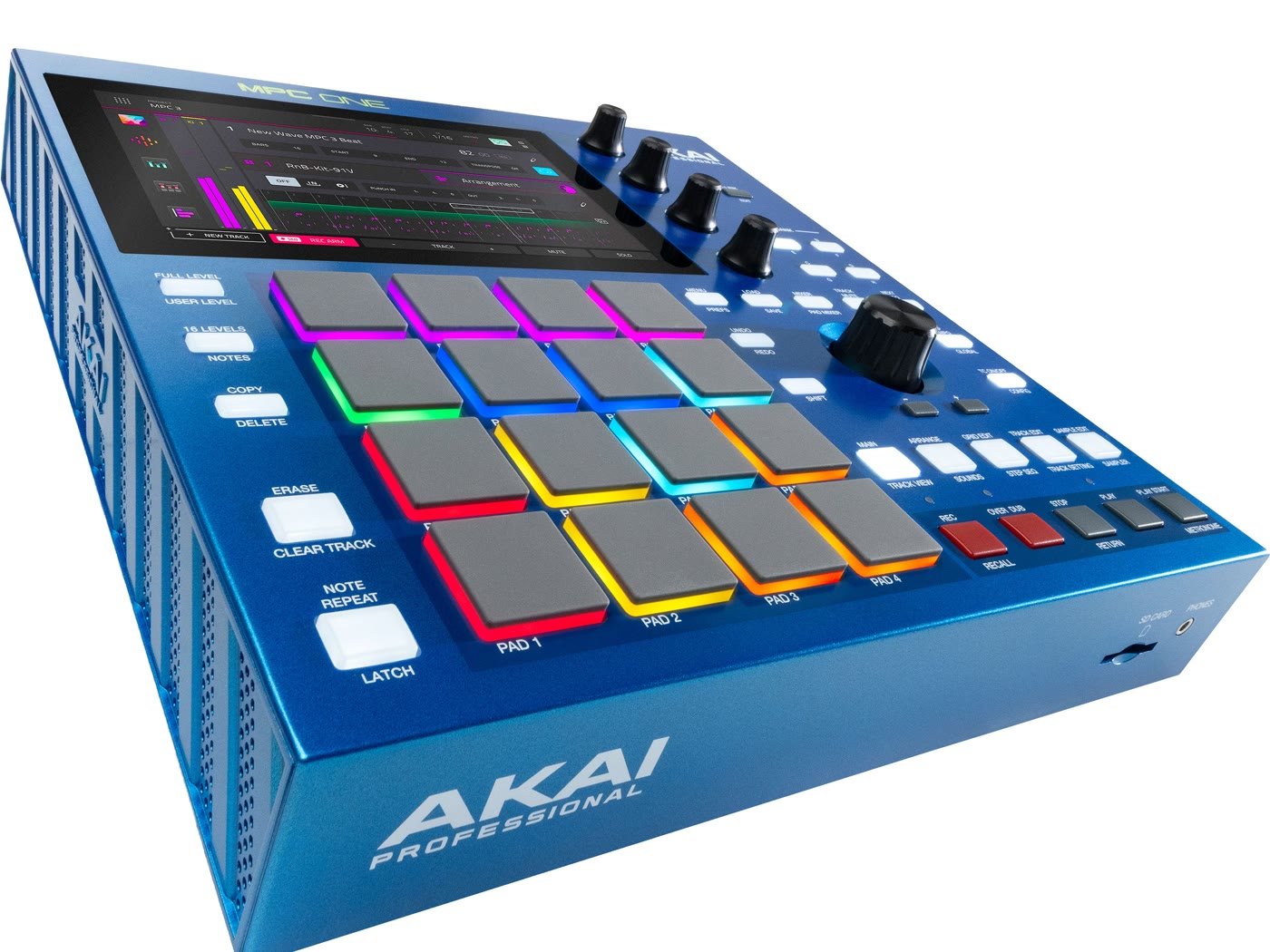
The Akai MPC One G2 is the second generation of the compact desktop model in Akai’s standalone MPC family. It launched on June 18, 2026 at $799, together with its keyboard sibling, the MPC Key 37 G2. The headline is simple: an 8-core processor with four times the performance of the previous model, 4 GB of RAM, 64 GB of storage and a new USB-C port that turns it into a 24-channel audio interface.
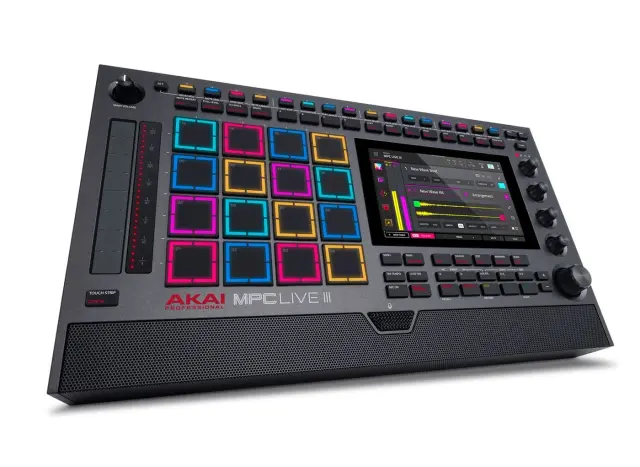
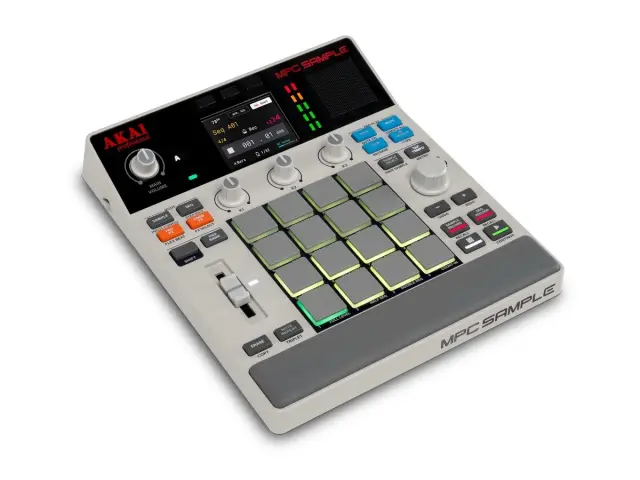
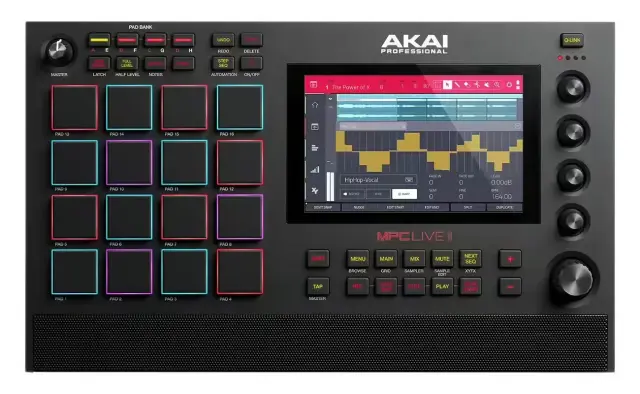
If you are looking at the flagship MPC Live III, a pocket box like the MPC Sample, or you already own an MPC One+, this is everything you need to know.
What is the Akai MPC One G2?
The MPC One G2 is a standalone sampler, drum machine, sequencer and production workstation. It runs Akai’s MPC3 operating system on its own, so you can sample, chop, program drums, play plugin instruments, record audio, arrange and mix a full track without a computer. When you do want a computer, it works as a controller and a multichannel audio interface over a single USB-C cable.
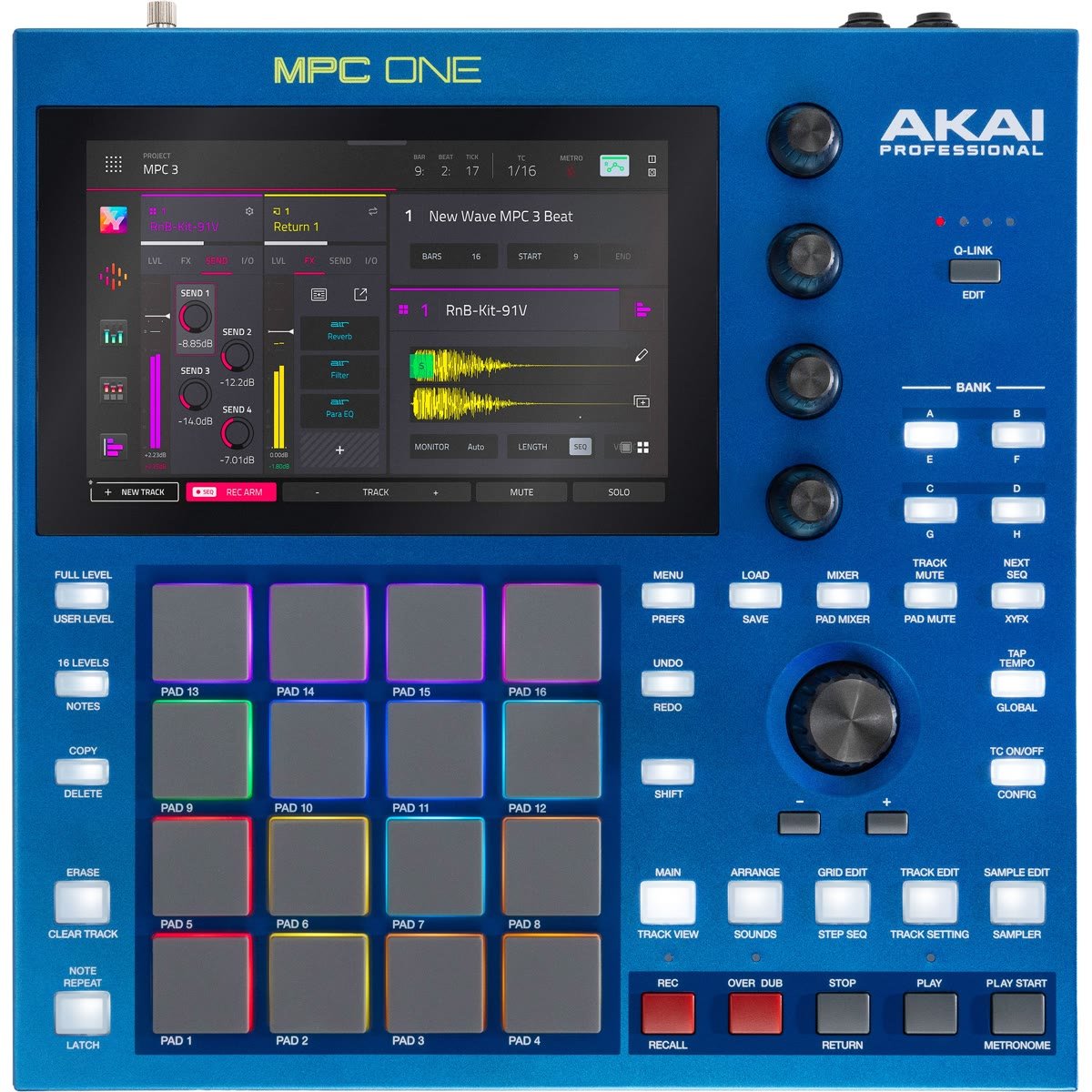
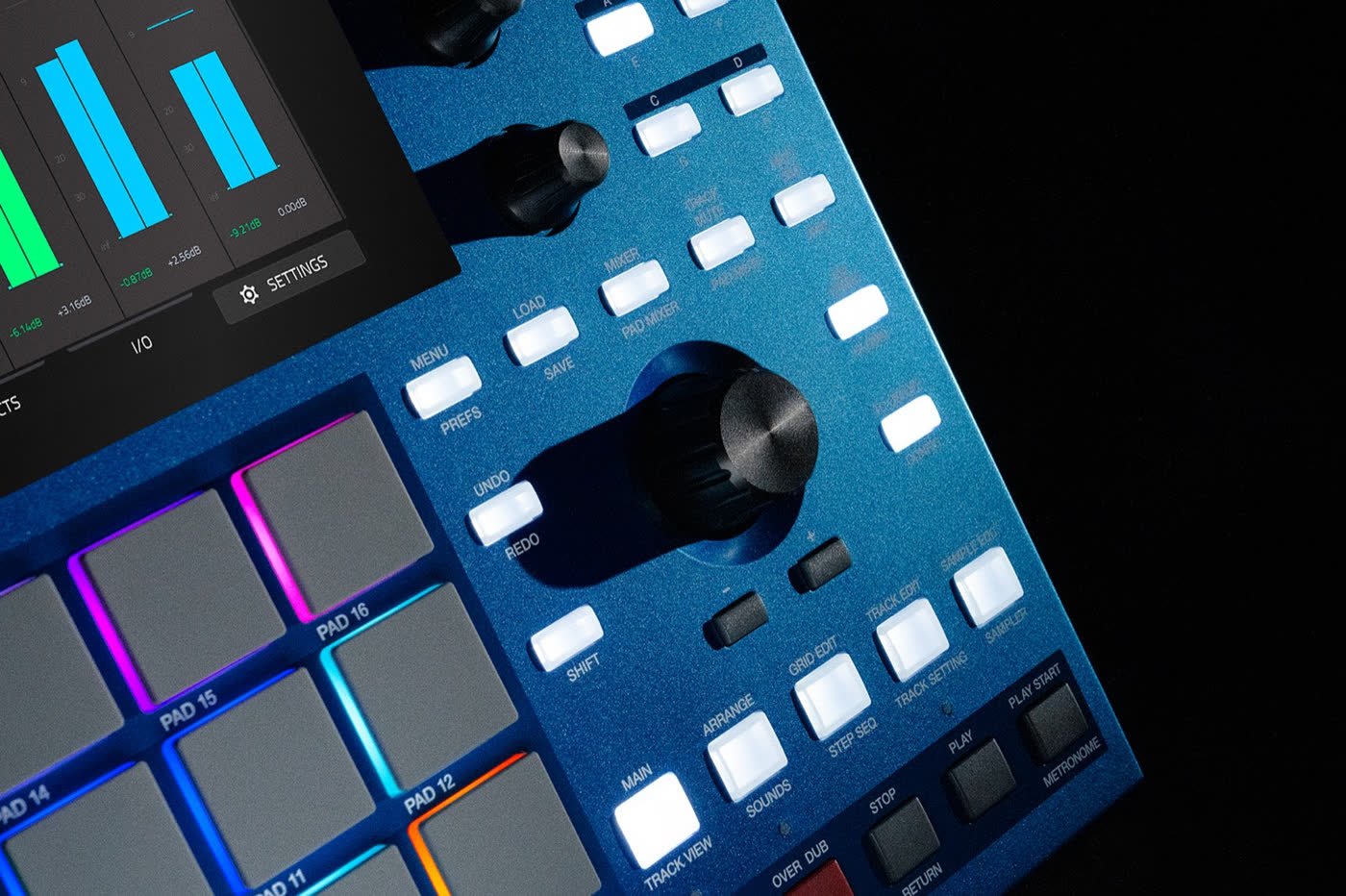
Physically, it is the MPC One you already know: a square box with 16 pads, a 7-inch touchscreen, four Q-Link knobs and the classic MPC buttons. What changed is inside, plus a new blue finish inspired by the MPC1000 and MPC4000, the machines a lot of 2000s hip hop was built on.

MPC One G2 specs
| Processor | 8-core CPU, four times the performance of the previous generation |
|---|---|
| RAM / storage | 4 GB RAM · 64 GB internal · SD card slot |
| Tracks | Up to 32 simultaneous plugin instruments and 16 stereo audio tracks (standalone) |
| Polyphony | Up to 256 voices |
| Pads | 16 velocity- and pressure-sensitive RGB pads · 8 pad banks |
| Display | 7" HD full-color multi-touch screen |
| Controls | 4 touch-sensitive Q-Link knobs · data encoder · main volume |
| Audio I/O | 2 × ¼" balanced line inputs · 2 × ¼" line outputs · ⅛" (3.5 mm) headphone output |
| MIDI / CV | 5-pin MIDI in and out · 4 × stereo 3.5 mm CV/Gate jacks (8 CV outputs in total) |
| USB | USB-C with 24-in/24-out audio streaming and 32 MIDI channels, host and device · USB-A host |
| Wireless | Wi-Fi (2.4/5 GHz, 802.11ac) · Bluetooth 5 |
| Power | 12 V DC adapter (no battery) |
| Size / weight | 272 × 272 × 53 mm (10.7 × 10.7 × 2.1 in) · 2.1 kg (4.7 lb) |
| Software | MPC 3.9 · 11 plugin instruments · 9 expansion packs · 20 GB+ of content |
| Price | $799 / £729 / €849 at launch |
Four times the power: what it really means
On paper, “4× performance” sounds like marketing. In practice, it is the difference between freezing tracks and not having to think about it. The G2 runs up to 32 plugin instruments and 16 stereo audio tracks at once in standalone mode, the same track counts as the $1,699 Live III, and up to 256 voices against 64 on the One+.
Embark Sounds, a producer who used the One+ every day for two years, describes the gain as real: projects load faster, plugin stacks stop stuttering and big sample libraries fit in RAM. The 64 GB of internal storage also means less juggling with SD cards for your kits and expansions.
MPC 3.9: arranger, oscillators and Ableton
The G2 ships with MPC 3.9, a big update for the whole MPC range:
- Arrange Mode tools: cut, copy, paste and duplicate across a loop range, plus clear, delete and insert blank bars. Finishing a full song on the MPC finally feels like working in a DAW timeline.
- MPC Oscillators: built-in synthesis with basic waves (sine, saw, square) and advanced engines (FM, ring modulation and wavetable), so you can make sounds without loading a single sample.
- Independent time signatures for each sequence and clip.
- Ableton Live Control Mode with project import and export, which on the G2 works together with the new 24×24 USB-C audio.

Pads, sampling and the classic MPC workflow
The 16 RGB pads are velocity- and pressure-sensitive, with 8 banks for 128 pads per program. They feel like the One+ pads, which is good news if you liked them. What you do not get are the new MPCe 3D pads: Akai keeps those for the Live III and MPC XL.
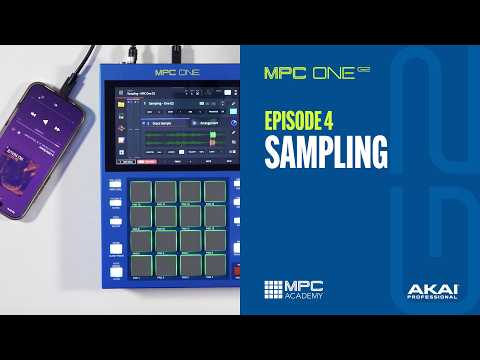
Sampling works the MPC way: plug a turntable through a mixer, a synth or a phone into the two ¼" line inputs, record, chop and assign to pads in seconds. Thanks to USB-C, you can now also sample straight from a phone, tablet or computer over one cable. There are no mic preamps or phono inputs, so vocals and vinyl need an external preamp.
Connections: a small hub for your studio
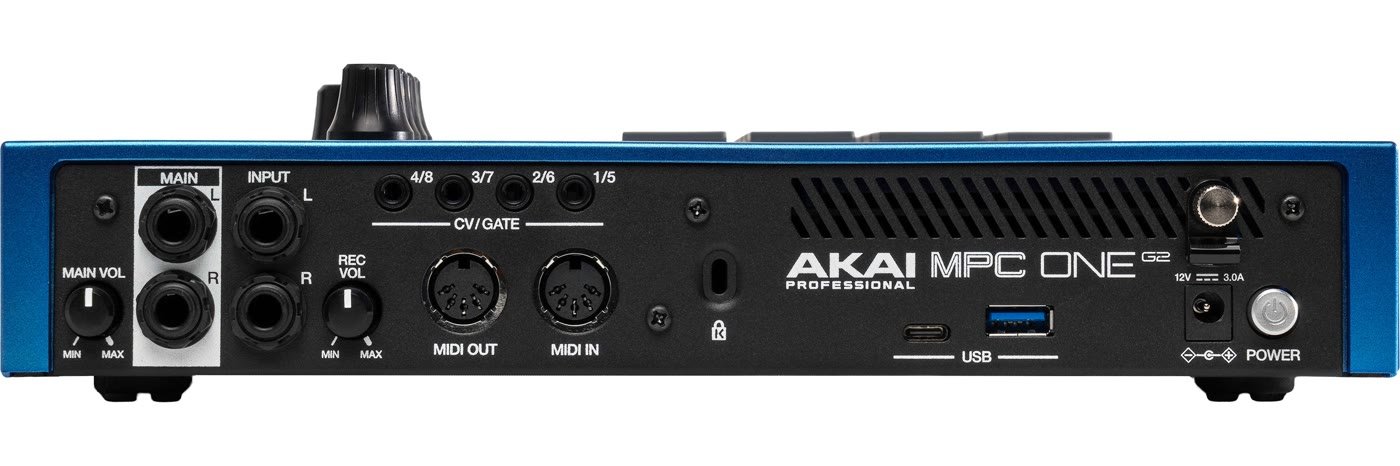
The back panel is the same as the One+, with one important change. You get stereo ¼" line inputs and outputs, a headphone jack, 5-pin MIDI in and out, eight CV/Gate outputs (on four stereo 3.5 mm jacks) for modular and analog synths, an SD card slot and a USB-A port for drives and controllers.
The new part is USB-C: 24 channels of audio in and out and 32 MIDI channels over a single cable, as host or device. Connected to a laptop, the G2 becomes an audio interface and controller at the same time. Wi-Fi and Bluetooth 5 cover wireless connectivity and file transfer.
One detail reviewers still dislike: the headphone output is a small 3.5 mm jack, and there is no battery, so the G2 lives on a desk, not in a backpack.
Included sounds and the Pro Pack question
Out of the box you get more than 20 GB of content: 11 plugin instruments (Analog Dreams MPC Edition by Native Instruments, Bassline, Electric, Fabric Select, Hype, Mellotron, Odyssey, Organ, Solina, Tubesynth and DrumSynth) and 9 expansion packs, including Classic Drum Machines, Apollo Retro Kits, Macro Polo Lo-Fi Boom, Welcome to ATL Kits and ATL Song Starters.
Here is the catch. The most advanced tools that the new processor is perfect for, Pro Stems separation, the Super Warp time-stretch and the Clip Matrix, are part of the optional MPC Pro Pack. Akai offers it to registered owners at a 50% discount, but Audio News Room calls this paywall the most “cynical” part of the launch. On the Live III, the Pro Pack is included.
MPC One G2 vs MPC One+
Should you upgrade from the One+? Here is what actually changed:
| MPC One G2 | MPC One+ | |
|---|---|---|
| CPU | 8-core (4× faster) | Previous generation |
| RAM | 4 GB | 2 GB |
| Storage | 64 GB | 16 GB |
| Stereo audio tracks | 16 | 8 |
| Max voices | 256 | 64 |
| Main USB port | USB-C · 24×24 audio + 32 MIDI channels | USB-B |
| Finish | Blue (MPC1000 / MPC4000 tribute) | Black |
| Layout, pads, screen, I/O | Same as One+ | Same as G2 |
If your One+ freezes tracks, runs out of RAM with modern libraries or you want USB-C audio, the jump is worth it. If your workflow runs smoothly, both Embark Sounds and Audio News Room agree you can sit this generation out.
MPC One G2 vs MPC Live III
The interesting part: on track counts, the G2 matches the flagship. The differences are in the hardware around the engine:
| MPC One G2 | MPC Live III | |
|---|---|---|
| Price | $799 | $1,699 |
| RAM / storage | 4 GB / 64 GB | 8 GB / 128 GB |
| Plugin / audio tracks | 32 / 16 | 32 / 16 |
| Pads | Velocity + pressure | MPCe: velocity, pressure and 3D position |
| Step sequencer buttons | No | Yes (16) |
| Inputs | 2 × ¼" line | 2 × XLR/¼" combo with preamps · phono · built-in mic |
| Outputs | 2 line + headphones | 6 line + headphones |
| MIDI | 1 in / 1 out | 2 in / 2 out |
| Battery and speakers | No | Yes |
| MPC Pro Pack | Optional purchase | Included |
| Weight | 2.1 kg | 3.9 kg |
If you produce at a desk, the G2 gives you most of the Live III’s power for less than half the price. If you play live, sample through a mic, want MPCe pads and a step sequencer, or want the Pro Pack included, the Live III justifies the extra money.

Pros and cons
Pros
- Four times the processing power of the One+
- Same plugin and audio track counts as the Live III
- 4 GB RAM and 64 GB storage
- USB-C with 24×24 audio and 32 MIDI channels
- Eight CV/Gate outputs, MIDI, Wi-Fi and Bluetooth
- MPC 3.9 arranger, oscillators and Ableton integration
- Great value at $799, and that blue finish
Cons
- Identical design and controls to the One+
- No MPCe pads or step sequencer buttons
- Pro Stems, Super Warp and Clip Matrix cost extra
- Line inputs only: no mic preamps or phono
- No battery or speakers
- 3.5 mm headphone jack
Verdict: is the MPC One G2 worth it?
For a new buyer, yes. At $799, the MPC One G2 is the best-value way into a full standalone MPC: enough power for complete productions, a mature operating system and connections that make it the center of a small studio. The extra power is not a spec sheet number; it removes the limits that used to send people back to a laptop.
For One+ owners, it depends on whether you hit the ceiling. And for producers who sample through a mic, perform live or want MPCe pads, the Live III is still the one to save for. From a beatmaker’s point of view, the G2 is the MPC most people should buy in 2026.
MPC One G2 FAQ
How much does the Akai MPC One G2 cost?
The MPC One G2 launched on June 18, 2026 at $799 in the US, £729 in the UK and €849 in Europe.
What is the difference between the MPC One G2 and the MPC One+?
The G2 keeps the same layout, pads and screen, but has an 8-core CPU with four times the performance, 4 GB of RAM instead of 2 GB, 64 GB of storage instead of 16 GB, 16 stereo audio tracks instead of 8, 256 voices instead of 64, and USB-C with 24-in/24-out audio streaming.
Does the MPC One G2 have MPCe pads?
No. It uses velocity- and pressure-sensitive RGB pads. The 3D-sensing MPCe pads are reserved for the MPC Live III and MPC XL.
Does the MPC One G2 have a battery?
No. It runs on its 12 V power adapter. If you need battery power, speakers and a built-in mic, look at the MPC Live III.
Can the MPC One G2 work as an audio interface?
Yes. Its USB-C port streams up to 24 channels in and 24 out, plus 32 MIDI channels, and it can sample directly from phones, tablets and other devices over the same cable.
Is the MPC Pro Pack included with the MPC One G2?
No. Pro Stems separation, the Super Warp time-stretch and the Clip Matrix come with the optional MPC Pro Pack. Akai offers it at a 50% discount to registered owners.
Sources
- Akai Professional: MPC One G2
- inMusic: Akai Professional unveils MPC One G2 and Key 37 G2 (press release)
- Akai support: MPC One G2 FAQ (I/O, power, size and One+ comparison)
- Synth Anatomy: MPC One G2, four times more power
- Audio News Room: a needed yet cynical upgrade
- Embark Sounds: MPC One G2 review
- Hispasonic: MPC 3.9 is official
- Resident Advisor: Akai releases a new generation of the MPC One
Product photos and videos: Akai Professional. GUIO Records is not affiliated with Akai Professional.