Beastie Boys “Licensed to Ill” at 40: Every Sample, Rick Rubin and the Backwards 808
This article contains affiliate links. If you buy through them, GUIO Records may earn a small commission at no extra cost to you. As an Amazon Associate I earn from qualifying purchases. Outside the US, Amazon links open your local Amazon store (UK, Canada, Germany, France, Italy, Spain, Netherlands, Poland or Sweden).
Released on November 15, 1986, the Beastie Boys’ debut was the first rap album to top the Billboard 200. Who produced it, what each song samples, how the loops were made without a sampler, and the 40th-anniversary vinyl.
Own the recordLicensed to IllBeastie Boys
On November 15, 1986, three punk kids from New York released Licensed to Ill on Def Jam. Four months later it was the first rap album to reach No. 1 on the Billboard 200. Forty years on, it has shipped more than ten million copies in the US, a new vinyl edition has just been announced, and its biggest trick still sounds fresh to anyone who makes beats: a rap record built on Led Zeppelin drums, Black Sabbath riffs and a drum machine played backwards.
This piece looks at it the way a producer would: who produced it, what each song samples, how the loops were made without a sampler, and what you can take from it to an MPC today.
Short answer: who produced Licensed to Ill?
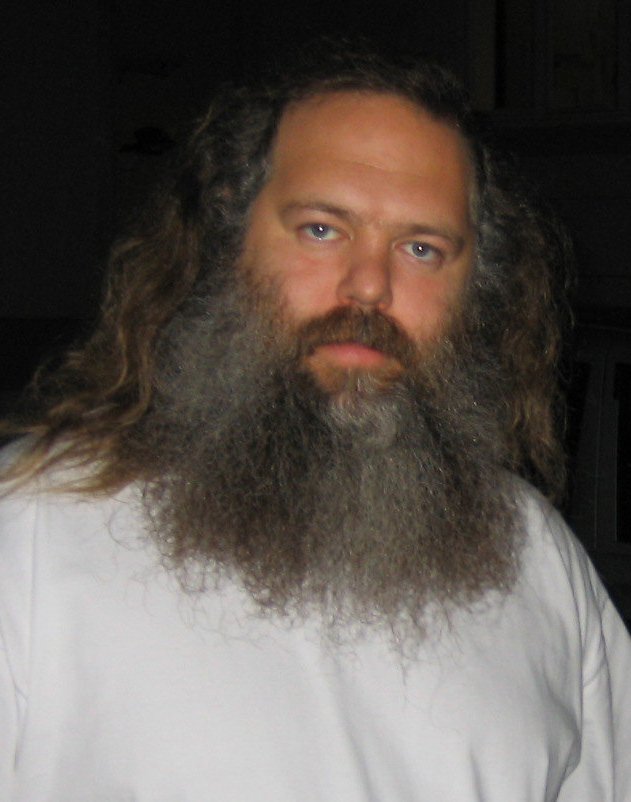
Rick Rubin produced Licensed to Ill, and the Beastie Boys are credited as co-producers. Rubin had been the group’s DJ, co-founded Def Jam with Russell Simmons, and in the same year produced Run-DMC’s “Walk This Way” remake and Slayer’s Reign in Blood. That mix of rap drums and hard-rock guitar is the sound of the album. It was recorded mostly at Chung King studio in New York, engineered by Steven Ett and mixed by Joe Blaney. According to uDiscover, it took about two years to make.
Licensed to Ill samples by song
The original sleeve credits no samples, so every list online is rebuilt from ears, interviews and fan research. This table only includes what I could find in more than one source, or says so when there is only one:
| # | Track | Samples and players | Confirmed by |
|---|---|---|---|
| 1 | Rhymin & Stealin | Led Zeppelin – “When the Levee Breaks” (drums) · Black Sabbath – “Sweet Leaf” (guitar riff) · The Clash – “I Fought the Law” | Levee and Sabbath in 3 sources; The Clash in 2 |
| 2 | The New Style | Trouble Funk – “Drop the Bomb” · Run-DMC – “Peter Piper” · The B-Boys – “2-3 Break” | Beastiemania credits; B-Boys and Trouble Funk also named by uDiscover |
| 3 | She’s Crafty | Led Zeppelin – “The Ocean” (guitar riff) | 3 sources |
| 4 | Posse in Effect | Joeski Love – “Pee-Wee’s Dance” · Juice – “Catch a Groove” | Beastiemania; Joeski Love also named by uDiscover |
| 5 | Slow Ride | War – “Low Rider” (the hook) · live horns and percussion by Keene, Tony & Danny | 2 sources |
| 7 | Fight for Your Right | No sample credited · lead guitar by Kerry King of Slayer, uncredited on the sleeve | Wikipedia |
| 8 | No Sleep till Brooklyn | AC/DC – “T.N.T.” (per Beastiemania) · guitar solo by Kerry King, riffs by Rick Rubin | Players in 2 sources; AC/DC in 1 |
| 9 | Paul Revere | A Roland TR-808 beat played backwards · Uncle Louie – “I Like Funky Music” | Backwards 808 in 3 sources |
| 10 | Hold It Now, Hit It | Kurtis Blow – “Christmas Rappin’” (“hold it now”) · Doug E. Fresh & Slick Rick – “La Di Da Di” (“hit it”) · Trouble Funk · Kool & the Gang – “Funky Stuff” · Jimmy Castor – “The Return of Leroy” · Bob James – “Take Me to the Mardi Gras” | Kurtis Blow in 3 sources; which Trouble Funk song is disputed |
| 11 | Brass Monkey | Wild Sugar – “Bring It Here” · Roland TR-808 drums | 2 sources |
| 13 | Time to Get Ill | Led Zeppelin – “Custard Pie” · Schoolly D – “Gucci Time” · Creedence – “Down on the Corner” · Steve Miller – “Take the Money and Run” · Barry White · Stevie Wonder · the Mister Ed and Green Acres TV themes | Zeppelin and Schoolly D in 2–3 sources; the rest in Beastiemania |
Sources: Wikipedia (album and song pages), Stereogum’s “Breaks With Tradition” column quoting Beastie Boys Book, Ultimate Classic Rock, uDiscover Music and the Beastiemania song credits, checked on November 14, 2026. Tracks 6 (“Girls”) and 12 (“Slow and Low”) have no sample I could confirm; uDiscover notes that “Girls” borrows the melody of The Earls’ 1962 “Remember Then”, and “Slow and Low” started as a Run-DMC demo produced by Rubin. Wikipedia names Trouble Funk’s “Let’s Get Small” on “Hold It Now, Hit It”, while Beastiemania names “Drop the Bomb”: the sources don’t agree.
Look at the table as a producer and the mix is the point: Zeppelin, Sabbath, AC/DC and The Clash next to Kurtis Blow, Doug E. Fresh, Schoolly D, Trouble Funk and Kool & the Gang. uDiscover counts samples on 10 of the 13 tracks. Rock records were the bait for a white rock audience; the rap and go-go records kept it a hip hop album.
What does “Rhymin & Stealin” sample?
The opening track is built on John Bonham’s drums from Led Zeppelin’s “When the Levee Breaks” (1971), with the guitar riff from Black Sabbath’s “Sweet Leaf” (also 1971) on top and a piece of The Clash’s version of “I Fought the Law”. All three come up when you search “does Rhymin and Stealin sample Sweet Leaf” or “When the Levee Breaks”: the answer is yes to both.
How it was made is the interesting part. In Beastie Boys Book (2018), as quoted by Stereogum, Ad-Rock remembers MCA having the Levee intro “going around and around his kitchen”: Adam Yauch recorded the drum intro onto quarter-inch reel-to-reel tape, cut it out and spliced it into a loop, so it repeated like a DJ’s breakbeat. Ultimate Classic Rock says the group had no sampler at the time. Stereogum says the Sabbath riff was then recorded over the loop.


It became one of the most sampled drum breaks ever, enough for Stereogum to give it a whole column. If you want the source on wax, Led Zeppelin IV is the one with “When the Levee Breaks”:
Own the recordLed Zeppelin IVLed Zeppelin
How was “Paul Revere” made? The backwards 808
“Paul Revere” runs on a Roland TR-808 pattern played in reverse, which is why the kick seems to suck in instead of hitting. Who had the idea depends on who you ask. Mike D, in 1995, credited Run of Run-DMC: “It was his idea to flip the tape up.” DMC tells the same story in Alan Light’s The Skills to Pay the Bills (2005), and Run says he wrote the first four lines of the rhyme. Russell Simmons, in the same book, remembers it as a happy accident that everyone then took credit for. Ad-Rock, quoted by uDiscover, credits Yauch with programming the 808 beat and flipping it. Two things everyone agrees on: it’s an 808, and it’s the tape turned around.
The 808 runs through other songs too: Wikipedia credits it on “Brass Monkey”. Our history of the Roland TR-808 lists “Paul Revere” among the records that defined the machine.

The first rap album to reach No. 1
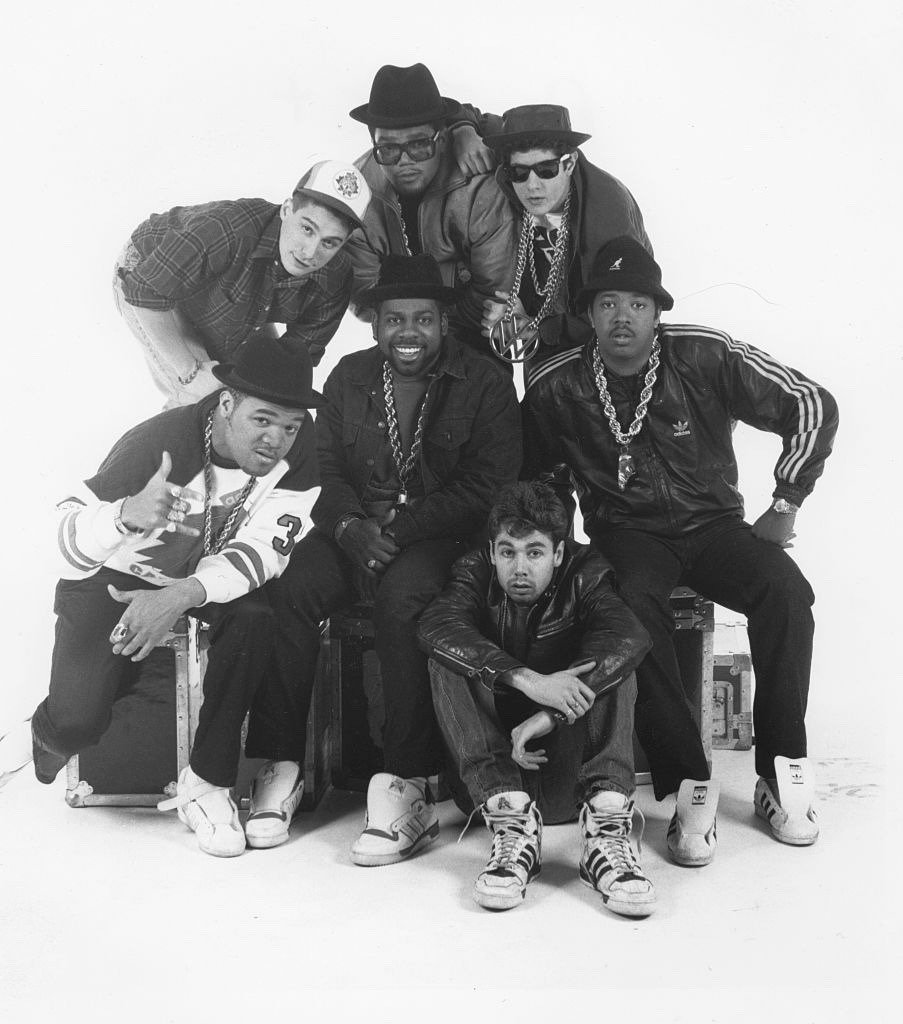
It didn’t start at the top. Licensed to Ill came out in November 1986 and climbed for four months, pushed by “(You Gotta) Fight for Your Right (To Party!)”, released as a single in December, which reached No. 7 on the Hot 100 in the week of March 7, 1987. That same week the album hit No. 1 on the Billboard 200, as Complex and XXL note, the first rap album ever to do it. How long it stayed is reported differently: XXL, Diffuser and uDiscover say seven weeks, while Wikipedia’s Beastie Boys page says five. It also finished 1987 as the No. 3 album of the year on Billboard’s year-end chart.
Sales followed: Platinum on February 2, 1987, and Diamond on March 4, 2015, for ten million copies shipped. It was one of Columbia’s fastest-selling debuts. And after MCA died on May 4, 2012, it went back to No. 1 on Billboard’s catalog chart.

Was “Fight for Your Right” a joke?
Yes. Wikipedia credits the song to Yauch and Tom “Tommy Triphammer” Cushman, and says it was meant to make fun of party-and-attitude rock songs like “Smokin’ in the Boys Room” and “I Wanna Rock”. Mike D later described it as a joke on exactly the fans who sang along without getting it. It became their only top-10 hit anyway, and the frat-party image stuck to them for years. The video, directed by Ric Menello and Adam Dubin, ends in a pie fight; Rick Rubin has a cameo.
Kerry King, Slayer and “No Sleep till Brooklyn”
The metal on the record is real. Kerry King of Slayer, a Def Jam labelmate, plays the solo on “No Sleep till Brooklyn” and appears in the video, while Rubin plays the riffs. The title is a nod to Motörhead’s live album No Sleep ’til Hammersmith, and the video parodies glam metal. Wikipedia also credits King with lead guitar on “Fight for Your Right”, uncredited on the original sleeve.

What was Licensed to Ill’s original title?
Rubin wanted to call it Don’t Be a Faggot. Columbia, the distributor, refused to release it with a homophobic slur in the title and pushed Russell Simmons to change it. The final title is a pun on Licensed to Kill, a 1965 spy film. Ad-Rock later apologized for it, and the group spent the 90s distancing itself from this record’s attitude.
The Licensed to Ill album cover, explained
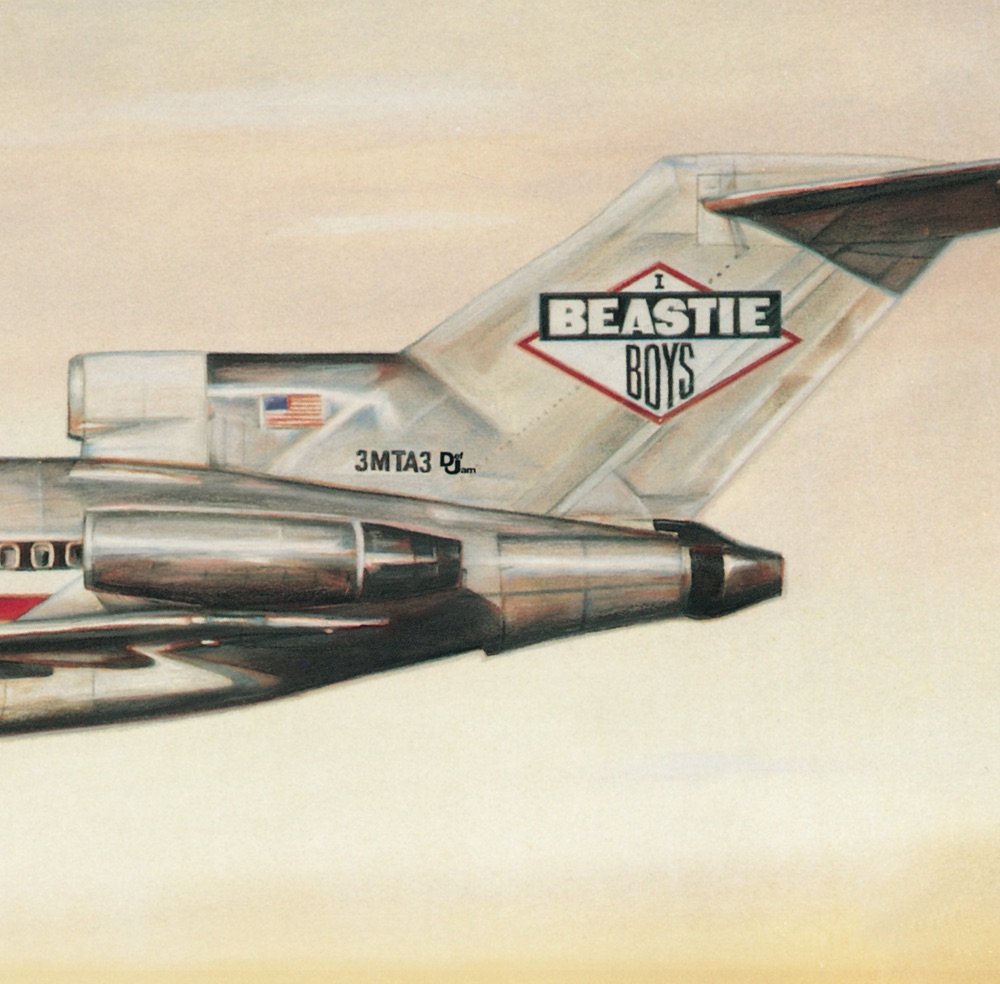
The front shows the tail of a silver jet with the Beastie Boys logo. Open the gatefold and the whole picture appears: an American Airlines-style Boeing 727 crashed into a mountain, its tail shaped like a spent joint. The registration, 3MTA3, reads “EATME” in a mirror. Wikipedia says Rubin got the idea after reading the Led Zeppelin book Hammer of the Gods, and credits art direction to Steve Byram and the painting to David Gambale, signed as World B. Omes. Eminem’s 2018 album Kamikaze openly references the design, which is why “Licensed to Ill album cover vs Kamikaze” is such a common search.

Why did the Beastie Boys leave Def Jam?
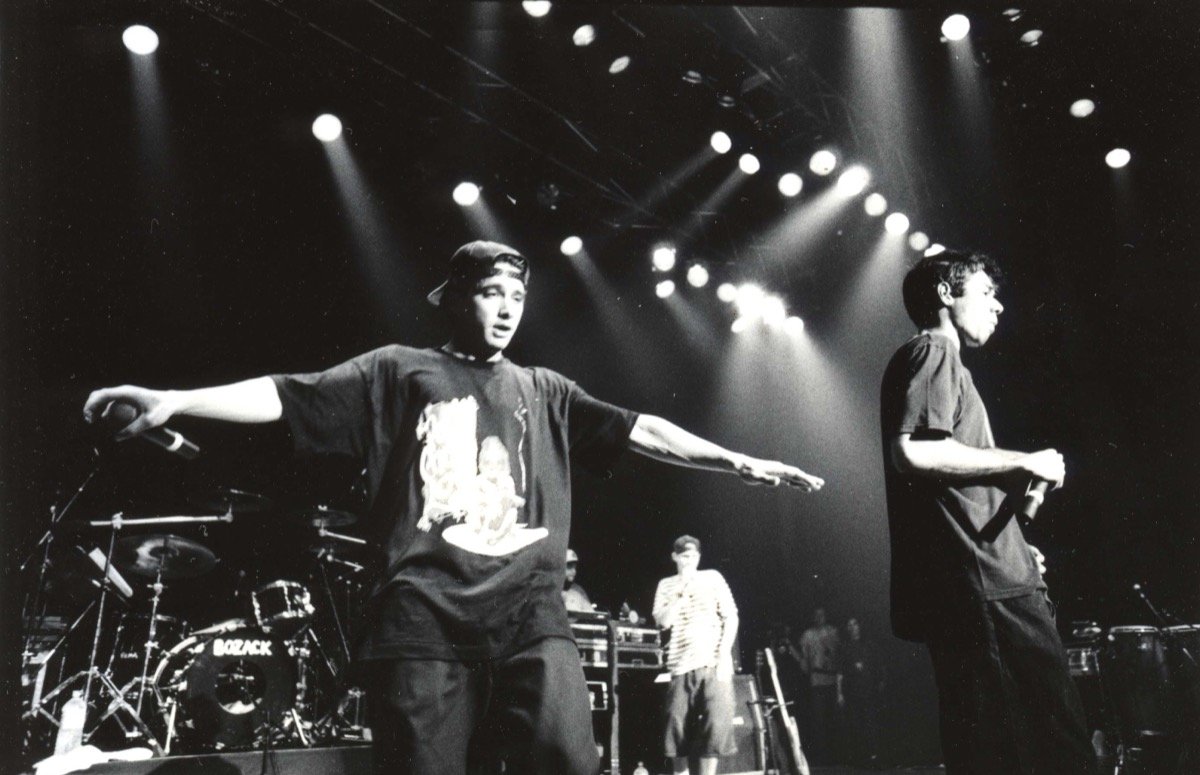
Money and control. After the tours of 1987 (with Run-DMC on Together Forever and with Public Enemy opening on the Licensed to Ill tour), Wikipedia says Def Jam stopped paying the band for work already done, and the album page adds creative differences with Rubin. They signed with Capitol and made Paul’s Boutique (1989) with the Dust Brothers: a dense, sample-collage record that sold far less at first and is now seen as one of the great sampling albums. It also explains how fast hip hop production was changing: in three years they went from a tape loop in a kitchen to records built from hundreds of samples.
Own the recordPaul’s BoutiqueBeastie Boys
Were the samples cleared?
In 1986 sample clearance in rap was not a routine step yet. The Beastie Boys’ earlier Def Jam single “Rock Hard” (1985) used AC/DC’s “Back in Black” without permission and was withdrawn after AC/DC objected. Ultimate Classic Rock says Led Zeppelin’s members knew about the uses on Licensed to Ill and didn’t sue; Jimmy Page said he took it as a compliment. The rules changed in December 1991, when a US court ruled against Biz Markie for sampling Gilbert O’Sullivan without permission (Grand Upright Music v. Warner Bros.). After that, labels cleared samples before release. If you sample today, our guide to how to sample vinyl covers the legal side.
Producer’s corner: the Licensed to Ill sound on a modern MPC
I make beats on an Akai MPC Live III, not on 1986 tape machines, so this is how I would approach the ideas on this record with what I use, not a recreation of their sessions:
- Loop the intro, not the song. Yauch didn’t take the whole Levee groove, just the drum intro before the other instruments come in. That is still the rule: look for the few bars where the drums play alone. Our guide on how to chop samples on an MPC shows how to get those bars onto a pad and loop them cleanly.
- One break, one riff, nothing else. “Rhymin & Stealin” is a drum loop, a guitar riff and three voices. If the beat sounds finished before the vocals, it’s too full for this style.
- Reverse it. The “Paul Revere” trick is one button on a modern MPC: record or bounce an 808 pattern, open the sample and reverse it. The kick turns into a swell and the groove feels upside down. Put the rhyme on top before you decide it doesn’t work.
- Hard drums, dry. Rubin’s drums are loud and almost dry. Our guide on mixing boom bap drums shows how to keep that punch without the low end turning to mud.
- Mix worlds. The album works because a Kurtis Blow line sits next to a Zeppelin riff. Pull records from outside rap.

Licensed to Ill 40th anniversary vinyl (2027)
On November 12, 2026, Def Jam and UMe announced a 40th anniversary “Vinylphyle” edition: a limited 2LP on 180-gram black vinyl in a gatefold, due March 18, 2027, as Consequence and Dork both report (Clash gives March 27, the only outlet I found with a different date). According to Consequence, it was remastered by Joe Nino-Hernes at Sterling Sound from a high-resolution digital transfer of the original 1986 quarter-inch tapes, with new liner notes by Chuck D, scans of the tape boxes, and a fourth side with no music, just an etched logo.
The detail worth knowing: in 2019 Mike D told Q-Tip on his radio show that the Licensed to Ill master tapes were lost and nobody could find them, as Okayplayer and HotNewHipHop reported. The new announcement mentions the original tapes, and Rolling Stone wrote that the band’s representative didn’t confirm whether they had been found. On November 14 the new edition wasn’t on Amazon US yet; the current 30th-anniversary LP and the CD are boxed at the top and bottom of this page. More classic rap records in our list of the best hip hop vinyl records to own.
There is also a new book for the anniversary, Beastie Boys: Licensed to Ill – 40 Years by Ben Merlis, with a foreword by Prince Paul (Motorbooks, October 2026, 176 pages, with a track-by-track section and new interviews). I haven’t read it; it’s listed here because it’s the only book about this album.
Where to buyBeastie Boys: Licensed to Ill – 40 Years by Ben Merlis
Why Licensed to Ill still matters
It proved rap could sell to everyone at the same time: Rubin’s rock-meets-rap formula, tested on “Walk This Way” the same year, reached No. 1 with three white kids from New York in the middle of it. The Source gave it five mics, Rolling Stone placed it No. 192 in its 2020 list of the 500 greatest albums, and Pitchfork reviewed it again in 2024 with a 7.8. It also has a second life as a sample source: “The New Style” alone has been sampled hundreds of times (uDiscover says over 250), from The Pharcyde’s “Drop” to J Dilla, who used it on several tracks of Donuts.
For the city around it, see our history of hip hop in New York. For another New York classic told through its producers, read who produced Illmatic.
Licensed to Ill tracklist
| # | Track | Length |
|---|---|---|
| 01 | Rhymin & Stealin | 4:08 |
| 02 | The New Style | 4:35 |
| 03 | She’s Crafty | 3:35 |
| 04 | Posse in Effect | 2:26 |
| 05 | Slow Ride | 2:56 |
| 06 | Girls | 2:12 |
| 07 | (You Gotta) Fight for Your Right (To Party!) | 3:28 |
| 08 | No Sleep till Brooklyn | 4:06 |
| 09 | Paul Revere | 3:40 |
| 10 | Hold It Now, Hit It | 3:26 |
| 11 | Brass Monkey | 2:37 |
| 12 | Slow and Low | 3:38 |
| 13 | Time to Get Ill | 3:39 |
Listen to Licensed to Ill
Spotify
Apple Music
Own the recordLicensed to IllBeastie Boys
How this was made: written by GUIO, a hip hop producer who works on an MPC Live III, from the sources listed below. Each sample was checked in at least two sources where possible; where they disagree (weeks at No. 1, the Trouble Funk sample, who invented the backwards 808, the reissue date and the master tapes), this piece says so. WhoSampled could not be consulted directly. GUIO has not heard the 2027 remaster or read the 40th anniversary book.
Verdict
Forty years later, Licensed to Ill is loud, dumb in places, and some of its lyrics haven’t aged well, which the band itself admitted. But as production it is a lesson in less: a drum intro looped on tape, a riff on top, a drum machine played backwards. It sold rap to the whole country, and the people who made it then moved on to make Paul’s Boutique, which is the best way to hear how far sampling went in three years.
Start with “Rhymin & Stealin”, “Paul Revere” and “The New Style”, then play it from the top, loud.
Own the recordLicensed to IllBeastie Boys
Licensed to Ill FAQ
Who produced Licensed to Ill?
Rick Rubin, co-founder of Def Jam, with the Beastie Boys credited as co-producers. It was recorded mostly at Chung King in New York, engineered by Steven Ett and mixed by Joe Blaney.
When was Licensed to Ill released?
November 15, 1986, on Def Jam, distributed by Columbia. It reached No. 1 on the Billboard 200 on March 7, 1987.
Was Licensed to Ill the first rap album to reach No. 1?
Yes. It was the first rap album to top the Billboard 200, on March 7, 1987. Most sources say it stayed seven weeks at No. 1; Wikipedia’s Beastie Boys page says five.
What samples are on Licensed to Ill?
Led Zeppelin (When the Levee Breaks, The Ocean, Custard Pie), Black Sabbath (Sweet Leaf), The Clash (I Fought the Law), War (Low Rider), Kurtis Blow (Christmas Rappin’), Doug E. Fresh and Slick Rick (La Di Da Di), Schoolly D (Gucci Time), Trouble Funk, Run-DMC, Wild Sugar and others. The sleeve credits none of them.
What does Rhymin and Stealin sample?
The drum intro of Led Zeppelin’s When the Levee Breaks, looped on tape by Adam Yauch, plus the guitar riff of Black Sabbath’s Sweet Leaf and part of The Clash’s I Fought the Law.
Does Rhymin and Stealin sample Sweet Leaf?
Yes. The guitar riff comes from Black Sabbath’s Sweet Leaf (1971), placed over the When the Levee Breaks drums.
How was the Paul Revere beat made?
It is a Roland TR-808 drum pattern played backwards from tape. Mike D and DMC credit Run of Run-DMC with the idea; Russell Simmons called it a happy accident.
What was Licensed to Ill’s original title?
Rick Rubin wanted to call it Don’t Be a Faggot. Columbia refused to release it with that slur, and the title was changed to Licensed to Ill, a pun on the film Licensed to Kill.
What does 3MTA3 mean on the Licensed to Ill cover?
It is the plane’s registration, and in a mirror it reads EATME. The full gatefold shows the jet crashed into a mountain.
How many copies did Licensed to Ill sell?
The RIAA certified it Diamond, 10 million copies shipped in the US, on March 4, 2015. It was Platinum by February 2, 1987.
Who played guitar on Licensed to Ill?
Kerry King of Slayer played the solo on No Sleep till Brooklyn and lead guitar on Fight for Your Right, uncredited on the original sleeve. Rick Rubin played the riffs on No Sleep till Brooklyn.
Why did the Beastie Boys leave Def Jam?
According to Wikipedia, Def Jam stopped paying them for work already done, and there were creative differences with Rick Rubin. They moved to Capitol and released Paul’s Boutique in 1989.
Is there a Licensed to Ill 40th anniversary vinyl?
Yes. Def Jam and UMe announced a limited 2LP Vinylphyle edition on November 12, 2026, due March 18, 2027, remastered at Sterling Sound with liner notes by Chuck D.
Next step Keep digging: the best hip hop vinyl records to own →
Sources
- Wikipedia: Licensed to Ill (credits, samples, title, cover, charts, certifications)
- Wikipedia: Beastie Boys (Rubin, Def Jam, tours, leaving the label)
- Wikipedia: (You Gotta) Fight for Your Right (To Party!)
- Wikipedia: No Sleep till Brooklyn
- Wikipedia: Brass Monkey
- Wikipedia: The New Style
- Stereogum: Breaks With Tradition, When the Levee Breaks (quoting Beastie Boys Book)
- Ultimate Classic Rock: Beastie Boys, Led Zeppelin and Licensed to Ill
- uDiscover Music: Licensed to Ill
- Beastiemania: song credits and quotes (Paul Revere and other songs)
- Complex: Licensed to Ill hits No. 1 (March 7, 1987)
- XXL: Licensed to Ill tops the Billboard 200
- Consequence: 40th anniversary 2LP reissue (2026)
- Dork: 40 years of Licensed to Ill on vinyl (2026)
- Okayplayer: Mike D says the master tapes are lost (2019)
- The Vinyl District: Licensed to Ill – 40 Years by Ben Merlis
- Wikipedia: Grand Upright Music v. Warner Bros. Records (1991)
- Apple Music: Licensed to Ill
Cover art and videos: Beastie Boys, Def Jam Recordings, Led Zeppelin. Used for review purposes.